

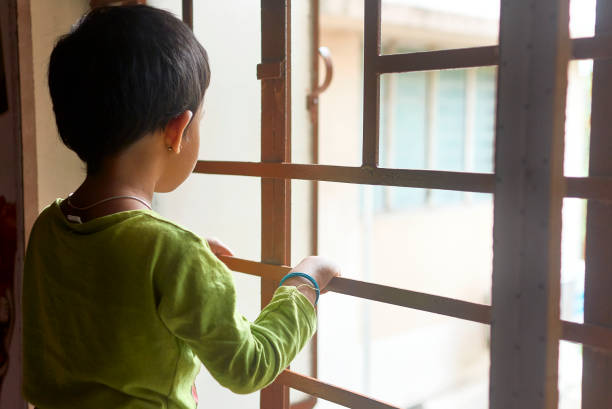
For many parents, deciding whether a child is ready to spend time at home without an adult can be difficult. A child may appear responsible and independent, but parents still need to consider safety, maturity, the length of time the child will be alone, and the circumstances surrounding the decision. The question of whether a child can stay home alone in Ontario does not have one simple age-based answer. Ontario law places responsibility on the person caring for a child to make reasonable arrangements for supervision and care, particularly when the child is younger than 16.
At Zeidman Law Offices, we understand that parents may have questions about where everyday parenting decisions fit within Ontario family law. A parent may also need to consider how a decision about supervision could be viewed if there is an existing parenting dispute. The law focuses on the circumstances of the child and the adequacy of care rather than simply establishing a universal age at which every child can be left alone. Ontario’s Child, Youth and Family Services Act specifically addresses the supervision and care of children under 16.
Parents dealing with broader parenting issues can also review information about a child custody lawyer when they need to understand how supervision concerns may fit into a family law matter.
What Ontario Law Says About Leaving a Child Home Alone
Ontario does not have a general rule stating that every child can be left home alone once they reach a specific birthday. Section 136(3) of the Child, Youth and Family Services Act, 2017 states that a person having charge of a child younger than 16 must not leave the child without making provision for supervision and care that is reasonable in the circumstances.
This wording is important because it means parents should consider the complete situation rather than relying only on age. A child who is mature, understands emergency procedures, can contact a parent, and knows how to respond to common household situations may have different supervision needs from another child of the same age. The length of time alone and the conditions in the home can also affect the overall circumstances.
What Age Can You Leave a Child Alone in Ontario
One of the most common searches from parents is what age can you leave a child alone ontario. Ontario legislation does not provide a simple rule saying that a child becomes legally eligible to stay home alone at a specific age. Instead, the legislation establishes a responsibility to provide reasonable supervision and care for a child younger than 16.
Age remains an important practical consideration, but it is only one factor. Parents should also consider whether the child understands basic safety rules, knows how to contact emergency services, can communicate with a trusted adult, and can respond appropriately when something unexpected happens.
Why Maturity Matters
Two children of the same age may have very different levels of maturity. One child may be comfortable staying alone for a short period, while another may become anxious or unsure when faced with an unexpected situation. Parents should therefore consider the child’s individual abilities instead of assuming that age alone determines readiness.
Maturity can include the ability to follow household rules, make sensible decisions, manage minor problems, and ask for help when necessary. A parent may also want to consider whether the child feels comfortable being alone. If the child is frightened or strongly opposed to staying alone, another supervision arrangement may be more appropriate.
Safety Factors Parents Should Consider
Leaving a child alone involves practical safety considerations as well as legal responsibilities. Before making the decision, parents should consider the condition of the home, the expected length of the absence, the time of day, access to communication, and whether a trusted adult is available nearby. These factors can help parents create a more appropriate supervision plan.
The child should also understand what to do if something goes wrong. Parents can discuss situations such as a fire alarm, power failure, injury, medical emergency, or unexpected visitor. Having clear instructions can help the child respond appropriately instead of having to make decisions without preparation.
Preparing the Child Before the First Absence
Parents can begin with a short period rather than immediately leaving the child alone for several hours. This gives the parent an opportunity to see how the child handles the responsibility and whether additional preparation is needed.
A parent can also establish clear rules before leaving. These may cover using kitchen appliances, answering the door, having friends over, leaving the house, and contacting the parent. Emergency contact information should be easy to access, and the child should know which adults can be contacted if the parent cannot respond immediately.
Considering the Home Environment
The physical environment can also affect whether a child is ready to remain alone. Parents should identify potential hazards and make sure the child understands how to avoid them. Depending on the child’s age and circumstances, parents may need to limit access to certain appliances, tools, medications, or other potentially dangerous items.
The neighbourhood and surrounding circumstances may also matter. A child who is familiar with the home and knows a trusted adult nearby may have additional support if an unexpected problem occurs. Parents should consider the actual circumstances instead of relying on a general assumption about what children of a particular age can manage.
When Leaving a Child Home Alone Can Become a Legal Concern
Leaving a child alone does not automatically mean that a parent has violated Ontario law. The legislation focuses on whether reasonable provision has been made for the child’s supervision and care. The specific circumstances therefore matter when considering whether a parent has met that responsibility.
Section 136 also addresses inadequate care, supervision, and protection. The statutory language means that parents should take reasonable steps to ensure that a child is appropriately supervised and protected. The longer or more complicated the absence becomes, the more important it may be to consider whether the arrangements remain appropriate for that particular child.
Situations That May Raise Greater Concerns
A short daytime absence can present different circumstances from leaving a child alone overnight. Parents should also think carefully about situations where a child is expected to supervise younger siblings, manage significant responsibilities, or remain alone for an extended period.
Additional concerns may arise where a child has particular care requirements or cannot safely respond to an emergency. The question is not simply whether the child has reached a certain age. The child’s needs and the parent’s arrangements should be considered together.
What Happens When Parents Disagree
Separated parents may have different views about when a child is ready to stay home alone. One parent may believe the child is mature enough for a short absence, while the other may consider adult supervision necessary. Such disagreements can become more significant when they form part of a broader parenting dispute.
If the issue arises in a family law matter, the court’s focus is the best interests of the child. Ontario’s Children’s Law Reform Act states that, when making a parenting order or contact order, the court considers factors related to the circumstances of the child and gives primary consideration to the child’s physical, emotional and psychological safety, security and well-being.
Child Stay Home Alone Issues in Parenting Disputes
A disagreement about whether a child should stay home alone can sometimes become part of a larger dispute between separated parents. In that situation, the question may involve more than the child’s age. Parents may disagree about the child’s maturity, the length of time alone, emergency arrangements, or whether the supervision provided was reasonable.
The court may consider the child’s age and stage of development, history of care, relationships with parents and other important people, the child’s views and preferences where they can be ascertained, and the plans proposed for the child’s care.
How Supervision Can Relate to Parenting Time
Parenting time involves day-to-day decisions concerning a child unless a court order provides otherwise. A disagreement about supervision may therefore arise during a parent’s scheduled parenting time. The surrounding facts can become important if one parent later raises the issue as part of a parenting application or dispute.
Parents should distinguish between a disagreement over parenting style and a situation involving an actual concern about the child’s safety or care. Not every difference in parenting choices automatically creates a legal issue. The circumstances and any applicable agreement or court order should be considered carefully.
When a Parenting Dispute Requires More Attention
If concerns about leaving a child alone are repeatedly raised between separated parents, it may be useful to understand how those concerns fit into the existing parenting arrangement. This becomes particularly important where allegations about inadequate supervision are being made or where a parent is considering changes to parenting time.
Parents in Vaughan dealing with these types of issues can review resources from a Child Custody Law Firm Vaughan to better understand the family law framework that may apply to their circumstances.
Practical Steps Vaughan Parents Can Take
Parents can reduce uncertainty by planning carefully before leaving a child alone. A simple plan should account for how long the child will be alone, how the child will communicate with the parent, what should happen during an emergency, and who can help if the parent cannot return immediately.
It is also important to remember that readiness can change. A child may manage a short afternoon alone but not be ready to stay alone late at night. Parents should review the arrangement as the child’s needs, maturity, and circumstances change.
A Practical Preparation Checklist
Parents can consider the following steps before leaving a child alone:
Make sure the child can contact you. The child should know how to reach the parent and another trusted adult if necessary.
Explain emergency procedures. The child should understand what to do in situations involving fire, serious injury, medical emergencies, or immediate danger.
Establish household rules. Explain expectations about visitors, cooking, appliances, going outside, and answering the door.
Consider the duration. A short absence is different from several hours, an evening, or an overnight period.
Check the child’s comfort level. A child who is uncomfortable or frightened may need another supervision arrangement.
Arrange backup support. A trusted adult nearby can provide an additional source of help if something unexpected happens.
Reviewing the Plan Over Time
Parents should not assume that one successful experience means every future situation will be appropriate. The child’s maturity may change, but so can the circumstances. A move, change in school schedule, new medical need, family conflict, or change in the home environment may affect the level of supervision required.
Parents should also consider whether the child is expected to care for another child. Supervising a younger sibling can create additional responsibilities and should not automatically be treated as equivalent to being alone.
Family Law Considerations for Vaughan Parents
For parents in Vaughan, questions about children staying home alone can become more complicated when they overlap with separation, parenting time, or decision-making disputes. The legal framework applies across Ontario, but the facts of each family are different.
Ontario law requires courts to focus on the best interests of the child when making parenting orders. The Children’s Law Reform Act identifies several factors, including the child’s needs based on age and development, history of care, relationships with important people, the child’s views and preferences, and each person’s ability and willingness to care for and meet the child’s needs.
Understanding Child Custody Issues
If supervision concerns are being raised alongside a dispute about parenting responsibilities, parents may need to understand how those concerns relate to the broader family law matter. A single disagreement about leaving a child alone may not provide the full context needed to assess the parenting arrangement.
Parents dealing with a specific parenting dispute can review information about a Child Custody Dispute Lawyer North York when seeking to understand how parenting-related concerns may be addressed under Ontario law.
Considering the Full Parenting Arrangement
The question of whether a child stayed home alone should generally be considered alongside the wider circumstances. Parents may need to look at the child’s normal routine, existing parenting schedule, supervision arrangements, communication between parents, and any court orders or written parenting plans.
Where a parenting arrangement already exists, parents should also review its terms before making changes. Ontario’s family law framework allows parenting orders to address decision-making responsibility and parenting time, and courts can make orders concerning aspects of those arrangements.
When Legal Advice May Be Useful
Parents do not need to treat every ordinary parenting decision as a legal dispute. However, legal questions can become more important when a disagreement about supervision is connected to a separation, parenting application, court order, or allegations about a child’s safety.
A parent may also need to understand whether an existing parenting order affects the decision. Reviewing the actual circumstances and applicable documents can be more useful than relying on general assumptions about what age a child can stay home alone.
Getting Information About Family Law
Family law issues involving children can involve several connected questions, including parenting time, decision-making responsibility, supervision, and the child’s best interests. A parent who is unsure how these issues interact may benefit from understanding the applicable legal framework.
For broader family law information, a family law firm in north york can provide information about the types of family law issues that may arise when parents disagree about childcare and parenting arrangements.
Understanding Existing Parenting Arrangements
If parents already have a court order or written agreement, the terms of that arrangement should be considered before making significant changes. Parenting orders can address parenting time and decision-making responsibility, and Ontario law provides a framework for how those responsibilities are exercised.
The issue of a child staying home alone should therefore be viewed within the complete family circumstances. The child’s age and maturity matter, but so do the supervision plan, safety arrangements, length of absence, and any existing legal arrangements between the parents.
Final Thoughts
Ontario does not establish one universal age at which every child can stay home alone. For a child younger than 16, the Child, Youth and Family Services Act requires the person having charge of the child to make provision for supervision and care that is reasonable in the circumstances. This means parents should consider more than age when deciding whether a child is ready.
Maturity, emergency preparedness, length of time alone, home safety, communication, and access to trusted adults can all be relevant. When parents are separated, the issue may also become part of a broader parenting dispute where the child’s best interests, safety, security, and well-being are central considerations.
Parents who are trying to understand a specific child custody or parenting issue should consider the complete circumstances rather than relying on a single age threshold.
FAQs
Is there a legal age to leave a child home alone in Ontario?
Ontario does not provide one universal age. For children younger than 16, reasonable supervision and care must be provided in the circumstances.
What age can you leave a child alone in Ontario?
There is no automatic age-based permission. Parents should consider maturity, safety, duration, emergency preparedness, and the child’s individual circumstances.
Can a child stay home alone overnight in Ontario?
The circumstances matter. Overnight supervision can raise different safety considerations from a short daytime absence, particularly for younger children.
Can leaving a child alone affect a parenting dispute?
It can become relevant if supervision is raised as part of a broader parenting dispute. The child’s best interests remain central to parenting decisions.
What should parents prepare before leaving a child alone?
Parents should establish emergency procedures, communication arrangements, household rules, backup support, and a clear plan appropriate to the child’s maturity and circumstances.

