

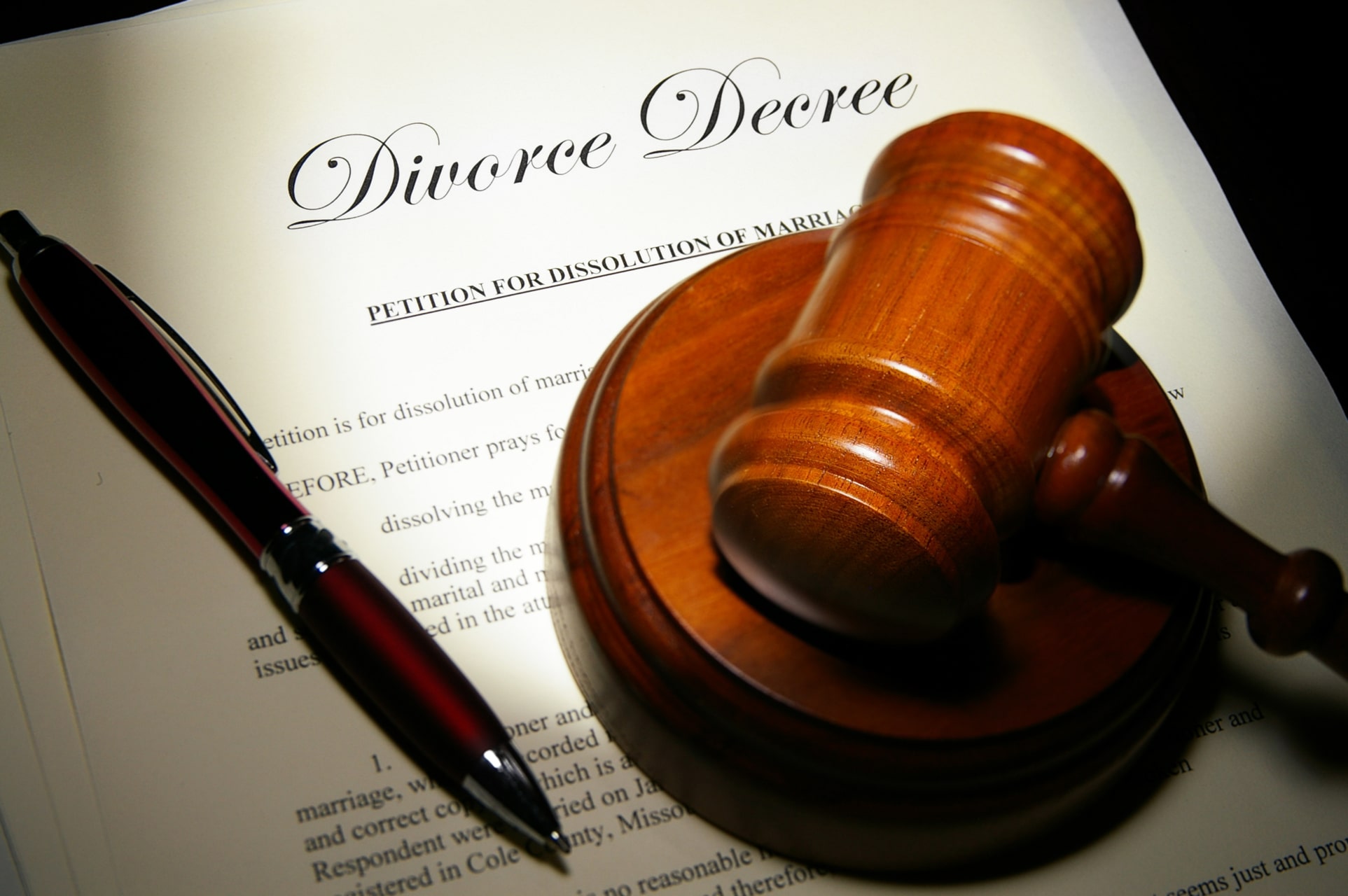
The Divorce Process in Vaughan involves several legal and administrative steps, and understanding those steps can make an already difficult period easier to navigate. The Divorce Process is governed primarily by Canada’s federal Divorce Act, while the forms, filing procedures, court processes, and administrative requirements are handled through Ontario’s family court system. A person considering divorce must understand whether they meet the eligibility requirements, determine the appropriate grounds for divorce, prepare the necessary documents, and follow the applicable court procedures. The process can be relatively straightforward when both spouses agree on the major issues, but it can become more involved when there are disputes about parenting, child support, spousal support, or property.
Divorce and separation are also different legal concepts. Separation occurs when a relationship has broken down and spouses begin living separately or otherwise demonstrate that they are living separate and apart. Divorce is the legal process that formally ends a marriage, and only a court can grant a divorce. The federal Department of Justice explains that the Divorce Act applies to married couples seeking a divorce, while provincial and territorial laws may apply to other family law issues.
What Is a Divorce in Vaughan?
A divorce legally ends a marriage. In Ontario, either spouse can begin a divorce case by filing an application that names the other spouse as the respondent, or both spouses can file a joint application where they agree on the divorce and any other orders being requested. Ontario’s Family Law Rules specifically provide for both individual and joint divorce applications. A divorce lawyer in Vaughan can help individuals understand the filing process and the legal requirements that may apply to their circumstances.
Obtaining a divorce does not necessarily resolve every issue arising from a separation. Couples may also need to address parenting arrangements, child support, spousal support, property division, debts, and other financial matters. These issues can sometimes be resolved through an agreement, while disputed matters may require court involvement.
Who Can Apply for Divorce in Ontario?
Before beginning the process, a person should confirm that the legal requirements for obtaining a divorce in Canada are satisfied. Generally, the spouses must be legally married, the marriage must have broken down, and either spouse must have lived in the Canadian province or territory where the divorce application is being made for at least one year immediately before the application.
The residency requirement is important because filing in Ontario is not simply a matter of choosing an Ontario court. At least one spouse generally needs to meet the required provincial residency condition. There are limited exceptions involving certain marriages performed in Canada where neither spouse currently lives in Canada, but these situations have specific legal requirements.
Grounds for Divorce in Vaughan
Canada uses a no fault divorce system. The legal ground is marriage breakdown, which can be established in one of three ways under the Divorce Act.
One year of separation
The spouses have lived separate and apart for at least one year. An application can generally be started before the full year has passed, provided the spouses are living separate and apart, but the divorce cannot normally be granted until the required one year has been completed.
Adulter
A divorce may be sought where one spouse has committed adultery. Unlike a separation based application, there is no requirement to wait one year before applying on this ground.
Physical or mental cruelty
A divorce may also be based on physical or mental cruelty that makes continued cohabitation intolerable. The circumstances must meet the legal requirements established under the Divorce Act.
These grounds are set out in the federal legislation.
The One Year Separation Requirement
The one year separation route is commonly relevant to couples seeking a divorce. The spouses must have lived separate and apart for at least one year immediately before the divorce is granted. Importantly, a person does not necessarily have to wait until the year has ended before starting the application. If the spouses are already living separate and apart, an application can be filed while the separation period is continuing.
The law also recognises that spouses may temporarily live together during a separation period. Where the divorce is based on one year of separation, the spouses can live together for up to 90 days for the purpose of attempting reconciliation without necessarily interrupting the separation period. The circumstances of the living arrangement can matter, so people should obtain legal advice if there is uncertainty about whether they are legally separated. Consulting a family lawyer north york can help clarify how the separation rules may apply to a specific situation.
Step 1: Decide Whether You Need a Divorce
Not every separation immediately requires a divorce application. Some couples separate and resolve their financial and parenting matters without immediately obtaining a divorce. Others may need a divorce because they want to remarry or formally end their marital status.
A person should consider the broader family situation before filing. If there are children, significant property, support obligations, or unresolved financial matters, separating spouses may need to address those issues alongside the divorce. Consulting a divorce lawyer Vaughan can help individuals understand how the Divorce Act, provincial legislation, child support, spousal support, parenting arrangements, and property matters may apply to their situation.
Step 2: Determine Whether the Divorce Is Joint or Sole
If both spouses agree to proceed with the divorce and the terms of any other requested orders, they may be able to make a joint application. A joint application does not name one spouse as the respondent. Ontario’s court procedures require both spouses to sign and date the relevant divorce application and complete the required supporting documents.
If the spouses do not agree or one spouse does not wish to participate, one spouse can begin the case by filing an application and naming the other spouse as the respondent. The respondent must then be properly served with the court documents.
A joint application can be more straightforward when the parties have already resolved their major issues, but the appropriate approach depends on the circumstances.
Step 3: Prepare the Required Documents
The documents required depend on whether the application is for divorce only or includes additional claims. Ontario’s court guidance states that a simple divorce application generally involves Form 8A, a Continuing Record, and the original marriage certificate.
If children, support, or property issues are involved, additional documents may be required. Financial disclosure may be necessary when child support, spousal support, or property claims are being made. Parenting claims can also require additional affidavits and supporting information.
The original marriage certificate is particularly important. Ontario’s court guidance states that the original certificate must generally be filed, unless the court accepts an explanation for why it cannot be obtained. If the marriage took place outside Canada and the certificate is not in English, a certified translation may be required.
Step 4: File the Application
Once the documents have been prepared, the application must be filed with the appropriate court. Ontario provides family court procedures and online filing options for many family court documents. Depending on the court and type of filing, fees may apply. People who cannot afford applicable court fees may be able to apply for a fee waiver if they meet the eligibility requirements.
The correct court location and filing method can depend on the circumstances. Applicants should confirm the current requirements before submitting documents because court procedures and administrative requirements can change.
Step 5: Serve the Other Spouse
When one spouse files a sole application, the other spouse generally needs to be formally served with the application and supporting documents. Service is an important procedural requirement because the respondent needs proper notice of the case.
The person who starts the case should not assume that sending documents informally by email or handing them to the other spouse is sufficient. Family court rules contain specific requirements concerning service. Incorrect service can cause delays and may require the applicant to repeat the process. Individuals dealing with parenting or custody issues during a family court proceeding may consider consulting a Child Custody Attorney Vaughan to better understand the applicable service requirements and legal process.
Step 6: Responding to a Divorce Application
A spouse who receives an application should read it carefully and determine what claims are being made. If the respondent disagrees with the divorce or with claims involving parenting, support, or property, an appropriate response may be required.
In Ontario family court proceedings, the respondent may also be required to attend a Mandatory Information Program in many circumstances. Ontario’s court guidance states that these sessions are generally free and that the parties attend separate sessions.
If the respondent does not understand the documents or believes important issues have been omitted, legal advice can help clarify what steps are required.
Step 7: Resolve Parenting, Support and Property Issues
A divorce application may be relatively simple when the spouses have no children and have already resolved their financial matters. However, many families need to address several additional issues.
Parenting arrangements can include where children live, parenting time, and how important decisions are made. Child support may also need to be established. Spousal support can depend on factors such as entitlement, income, relationship length, and financial circumstances. Property division is generally governed by Ontario law rather than the federal Divorce Act.
The Department of Justice recommends that spouses try to reach agreement on major issues such as parenting arrangements, child support, spousal support, and property where possible. If the court has to determine these matters, the process can take longer and become more complicated.
Three Areas That Commonly Affect the Process
Parenting and children: Where children are involved, their best interests are central to parenting decisions. Parents may need to establish arrangements for parenting time, decision making, communication, travel, education, and other aspects of their children’s lives.
Financial support: Child support and spousal support may require detailed financial information. Income, employment, benefits, expenses, parenting arrangements, and other circumstances can affect the legal analysis.
Property and debts: Separation can require the spouses to address the family home, investments, bank accounts, vehicles, pensions, debts, and other assets or liabilities. Property issues can add significant complexity to an otherwise straightforward divorce application.
Step 8: Court Review and Divorce Order
If the required documents have been filed and the legal requirements are satisfied, the court can review the divorce application. In an uncontested matter, a court may be able to grant the divorce without requiring a lengthy contested hearing, provided all procedural and legal requirements have been met. While divorce proceedings focus on family law matters, individuals may also need to consider related issues such as wills and estates when reviewing their broader legal and financial arrangements.
The Central Registry of Divorce Proceedings is also part of the process. Ontario’s guidance states that the court sends information to the federal registry to determine whether another divorce proceeding has already been started involving the same spouses. The divorce cannot be granted until the required clearance has been received.
Step 9: When Does the Divorce Become Final?
A divorce order does not normally become effective immediately. Ontario’s court guidance states that when a judge grants a divorce, the order becomes effective 31 days after it is made. The divorce certificate provides proof of the date the divorce became effective.
This distinction is important for anyone planning to remarry. A person should confirm that the divorce has become legally effective before entering into another marriage.
Common Mistakes to Avoid
Filing before understanding the issues: Some people focus only on obtaining the divorce while overlooking property, support, or parenting matters. These issues can have long term consequences and should be considered before an application is prepared.
Using incorrect or incomplete documents: Missing a marriage certificate, incorrect information, incomplete forms, or inadequate supporting documentation can delay the application. Ontario’s requirements should be checked carefully before filing.
Ignoring service requirements: When filing a sole application, the respondent must generally be properly served. Informal delivery of documents may not satisfy the court’s procedural requirements.
Treating separation and divorce as the same thing: Separation does not automatically end a marriage. A divorce requires a court order, and the legal process must be completed before the marriage is formally dissolved.
Assuming an uncontested divorce means no legal preparation is needed: Even when both spouses agree, the documents and court requirements still need to be completed correctly. An agreement should also address the relevant family law issues where appropriate.
How Long Does the Divorce Process Take?
There is no single timeline that applies to every Ontario divorce. A one year separation is the most important statutory timing requirement when that ground is being used. However, the application can generally be started before the one year separation period has ended.
Administrative processing, service, court review, document completeness, registry clearance, and whether the case involves disputed issues can all affect the overall timeline. A straightforward uncontested divorce may proceed differently from a case involving disagreements about parenting, support, or property.
If the spouses are disputing major issues, the case can take considerably longer because additional court conferences, motions, disclosure, negotiations, or hearings may be necessary.
How Legal Advice Can Help
The Ontario divorce system involves both federal and provincial rules, and the correct procedure depends on the circumstances. Legal advice can be particularly useful when spouses have significant assets, children, support concerns, international connections, business interests, or disagreements about separation terms.
Zeidman Law Offices can provide guidance to individuals dealing with family law matters. Anyone considering divorce should ensure that their advice is based on their specific circumstances rather than relying only on general information found online.
Conclusion
The Divorce Process in Ontario involves more than simply completing a form. A person must first determine whether they meet the legal requirements, identify the applicable ground for divorce, prepare the correct documents, file the application, comply with service requirements, and satisfy the court that the legal and procedural requirements have been met.
For couples using the one-year separation ground, the application can generally be started before the full separation period has passed, but the divorce cannot normally be granted until the required period has been completed. Couples should also consider parenting, child support, spousal support, property, and other financial matters rather than treating the divorce order as the only issue that needs to be resolved. A Family law consultation can help separating couples understand these related issues and determine what legal steps may be appropriate for their circumstances.
Where spouses agree on the major issues, a joint or uncontested application may be more straightforward. Where disagreements exist, additional court steps may be required. Understanding the process early can help separating spouses prepare the appropriate documents, avoid unnecessary procedural mistakes, and make informed decisions about the issues that accompany the end of a marriage.
Frequently Asked Questions
How do I apply for divorce in Ontario?
You generally need to prepare the appropriate divorce application and supporting documents and file them with the appropriate Ontario court. The exact requirements depend on whether the application is joint, sole, or includes other family law claims.
Do I have to wait one year before filing for divorce?
Not necessarily. If you are relying on one year of separation, you can generally apply while the separation period is continuing, but the divorce cannot normally be granted until the required one year has passed.
Do I need my original marriage certificate?
Generally, yes. Ontario requires the original marriage certificate for a divorce order unless the court accepts an explanation for why it cannot be obtained.
Does divorce automatically resolve property and support issues?
No. Parenting, child support, spousal support, and property matters may need to be addressed separately or included in the family law proceeding.
When does a divorce become final in Ontario?
When a judge grants the divorce, the divorce order generally becomes effective 31 days later. A divorce certificate can be obtained as proof of the effective date.

